EMS (Electrical Muscle Stimulation) products are gaining popularity in fitness, recovery, and wellness. But EMS Shorts? They look cool—but how much do you really understand about them? For new buyers, the real challenge isn’t selling the product. It’s understanding it properly.
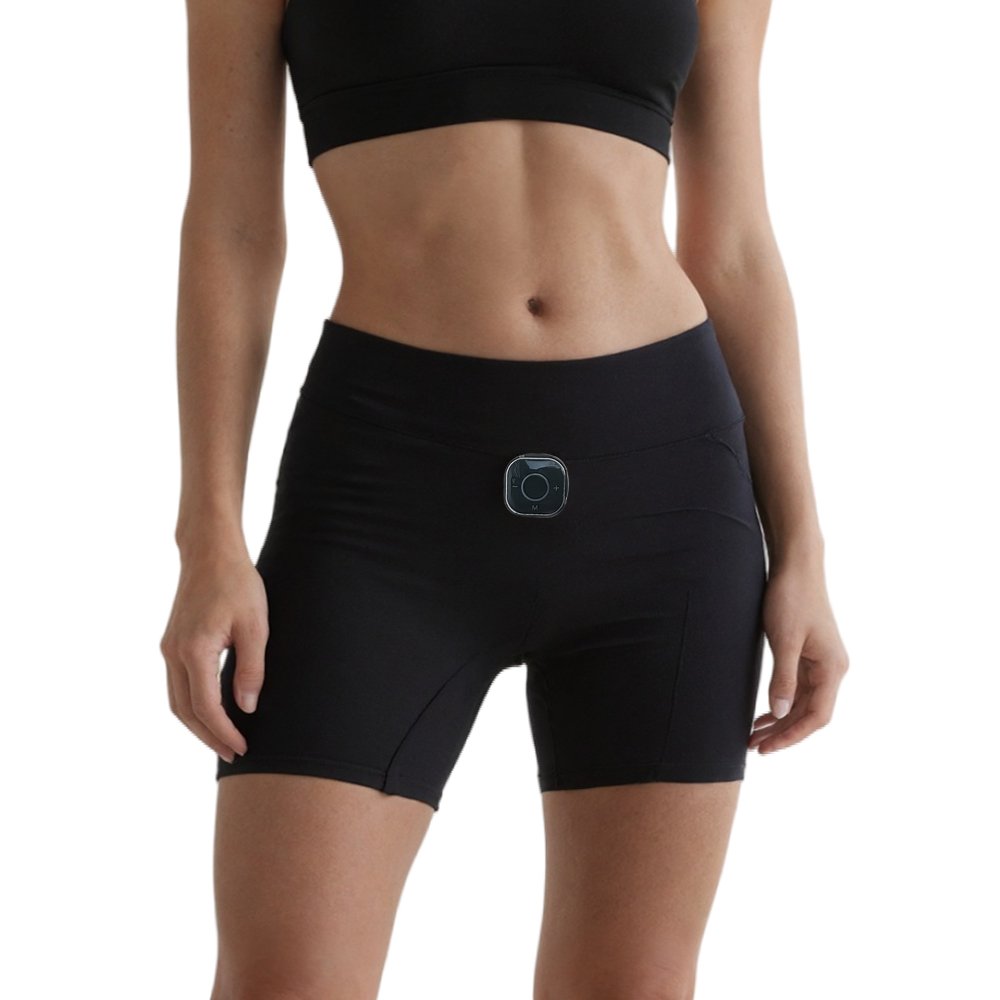
EMS shorts are wearable devices with built-in electrodes used to stimulate lower body muscles. But before entering the market, you must understand their classification, market fit, technological structure, compliance, and delivery methods—otherwise, you are likely to make costly mistakes.
I’ve seen many clients dive in too fast, only to realize—too late—that EMS pants involve much more than just a sleek look. Let me walk you through the essential questions that every new customer needs to ask.
What exactly are EMS training Shorts, and are they considered medical devices?
They look like futuristic workout gear—but what are they really?
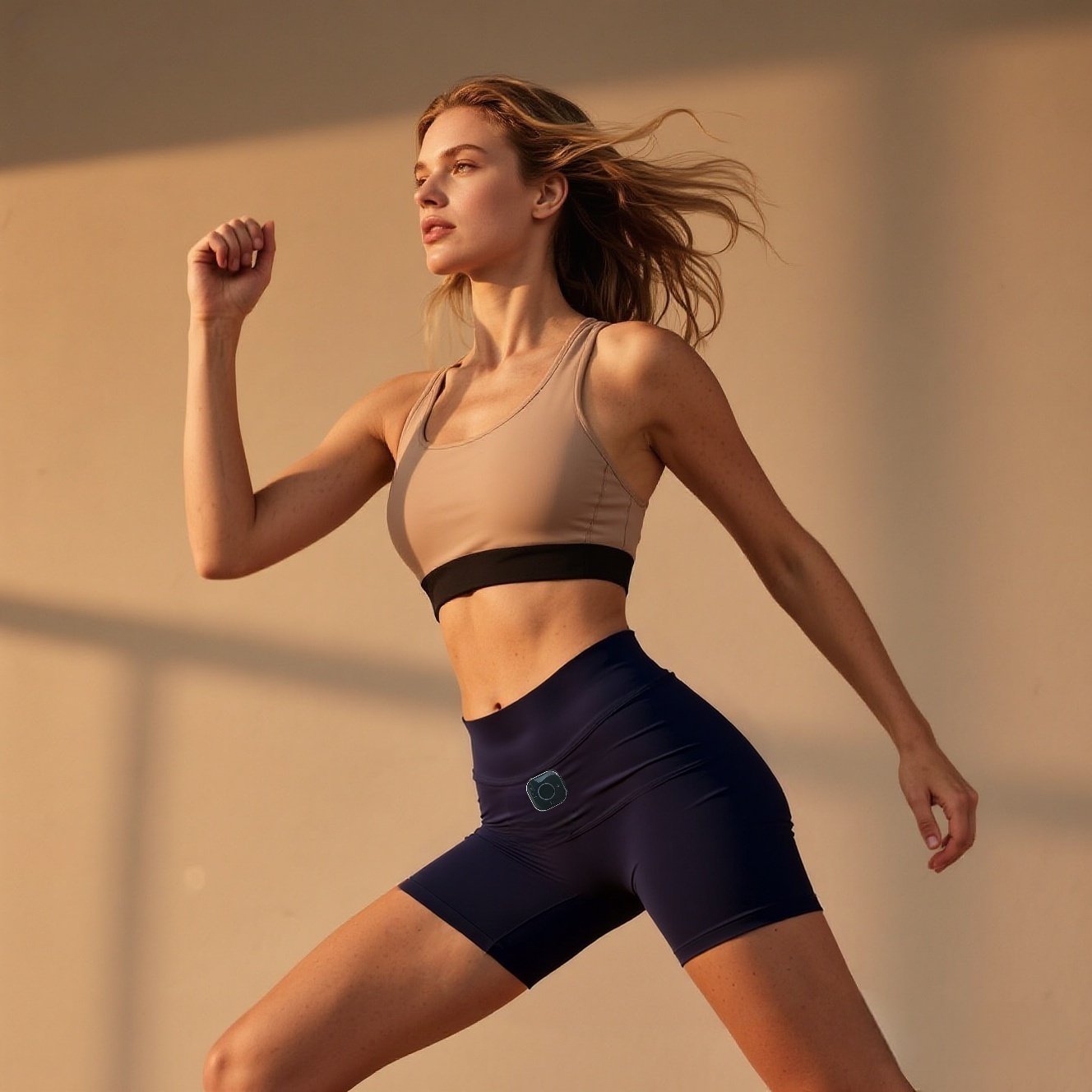
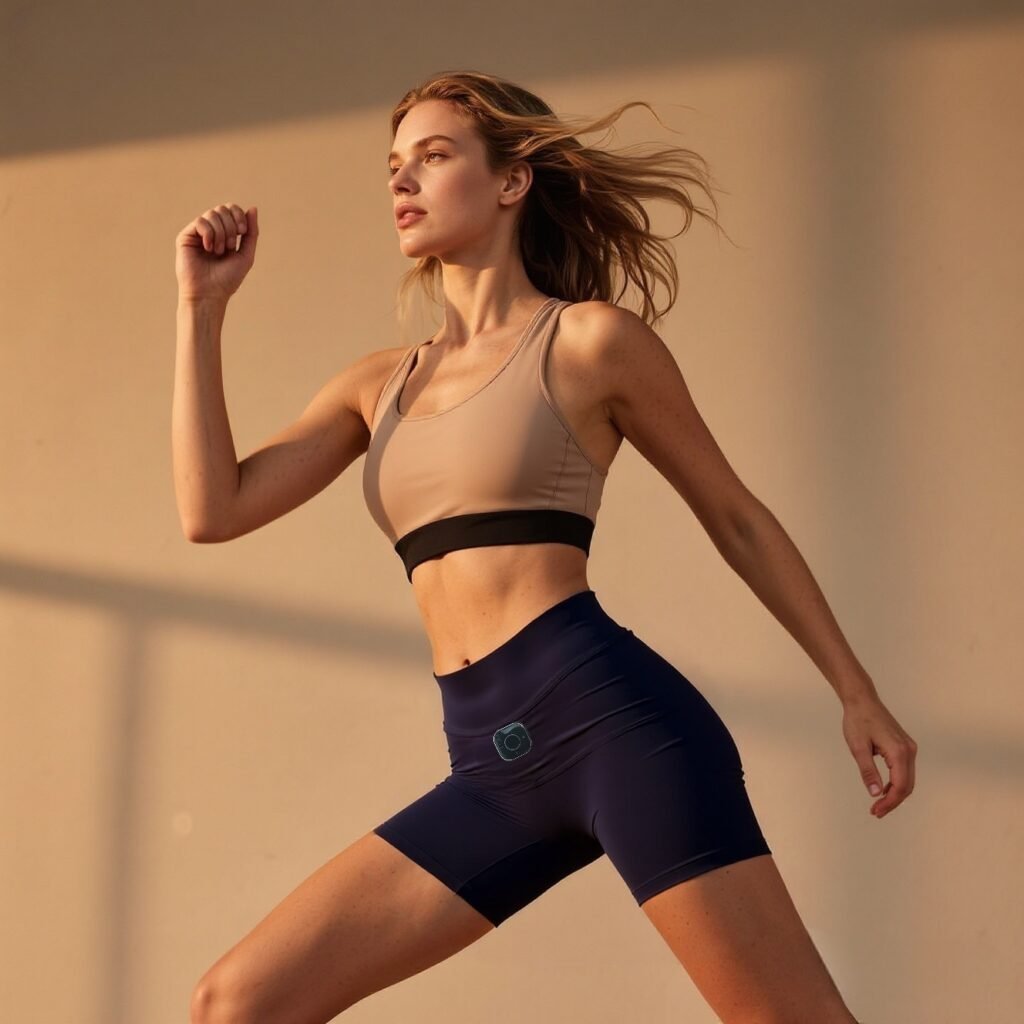
EMS shorts are wearable devices that use built-in electrodes to stimulate lower body muscles. Whether they are classified as medical devices depends on their claimed functions, intended use, distribution channels, and local regulations.
It all depends on your product claims and usage
- Declared as a therapy or recovery device? You might need medical certification.
- Targeted at fitness training and muscle activation? Likely non-medical.
- Your product classification depends heavily on how it’s marketed, where it's sold, and local legal frameworks.
Before launching your project, define whether it’s for fitness, wellness, or therapy—this will determine your compliance path.
Which markets and customer types are best suited for EMS pants?
EMS Shorts are not “one-size-fits-all” products. So who are they really for?
These are designed for specific scenarios and are best suited for fitness studios, rehabilitation clinics, home workout brands, and health product distributors. Expectations vary by region depending on the specific application.
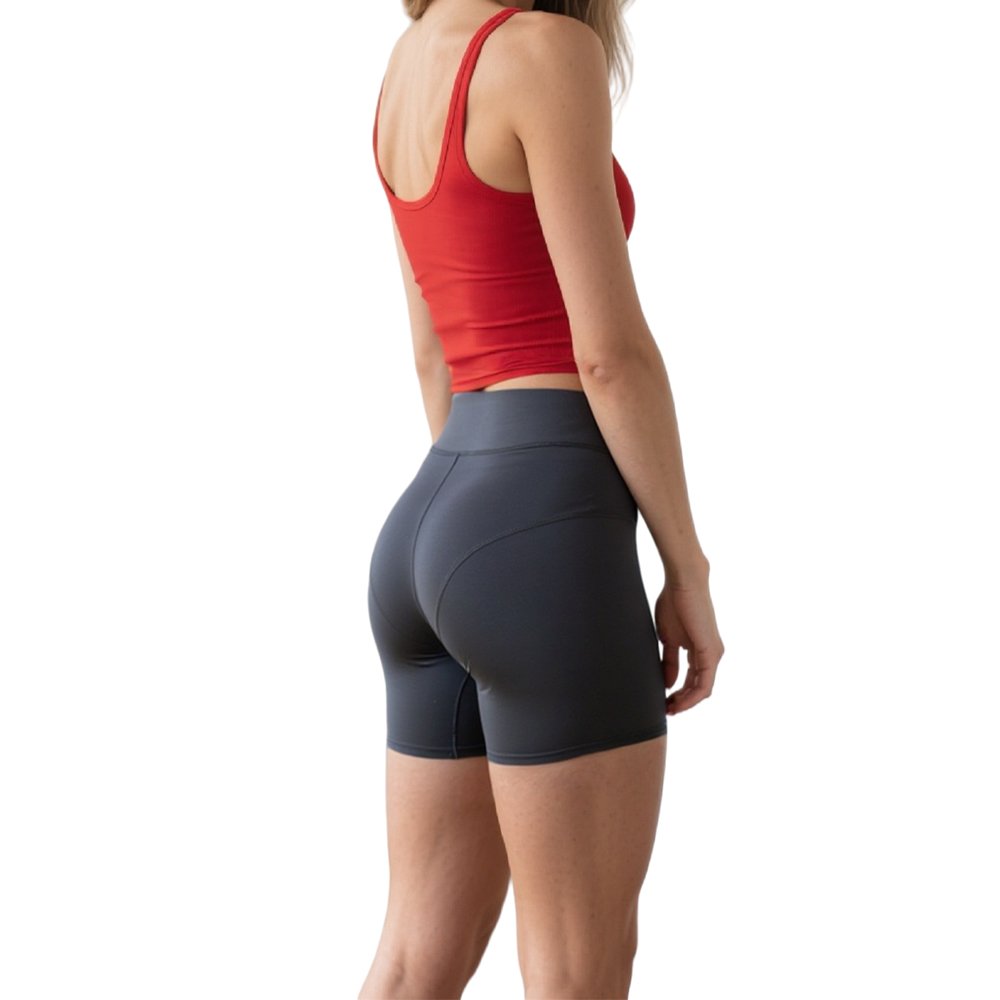
Market focus varies by region
| Region | Main Concerns | Common Applications |
|---|---|---|
| North America | Training efficiency, smart functions, brand value | EMS gym chains |
| Europe | Compliance, safety, design | Rehab & physiotherapy |
| Asia | Portability, tech appeal | Home recovery & wellness |
Before asking about price, define your ideal target region and user group—it’ll save you time and money.
What key technical details must be confirmed before my first EMS pants order?
These aren’t just workout leggings with a chip sewn in—they’re complex.
Core specs like electrode layout, stimulation range, control method, and battery safety define the real value of EMS pants. Make sure your supplier can clearly explain all of them.
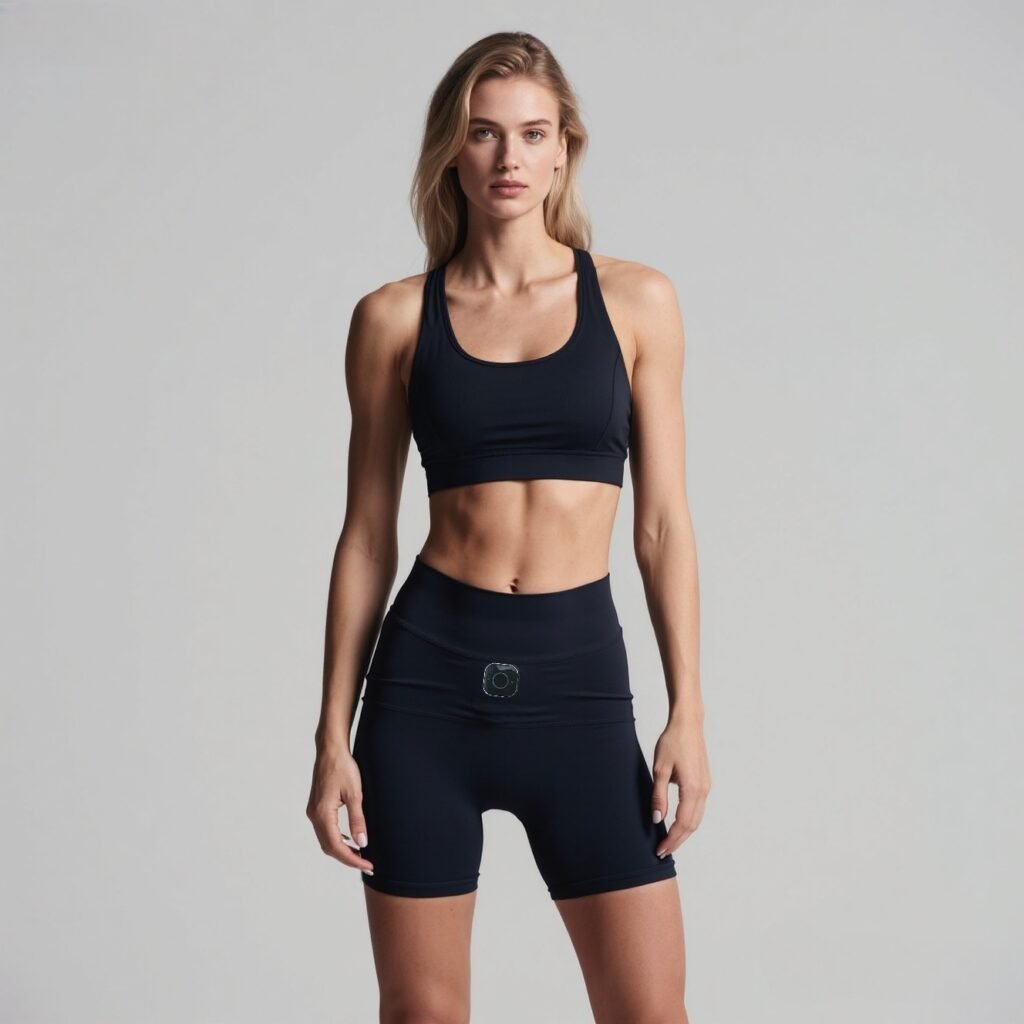
Key specs that affect function and reliability
- Adjustable intensity levels: Are they programmable?
- Electrode distribution: Does it match muscle anatomy?
- Control options: Handheld controller, app, or main unit?
- Battery safety: Is it stable for long sessions? Overheating protection?
- Independent zone control: Can thighs, glutes, and abs be triggered separately?
A small technical miss early on can turn into big problems during production.
How important are size, fabric, and the wearing experience?
You can have perfect code and circuits—but if it feels uncomfortable, it won’t sell.
EMS Shorts are functional garments. The fit, conductivity of the fabric, breathability, and washability matter just as much as the technology inside.
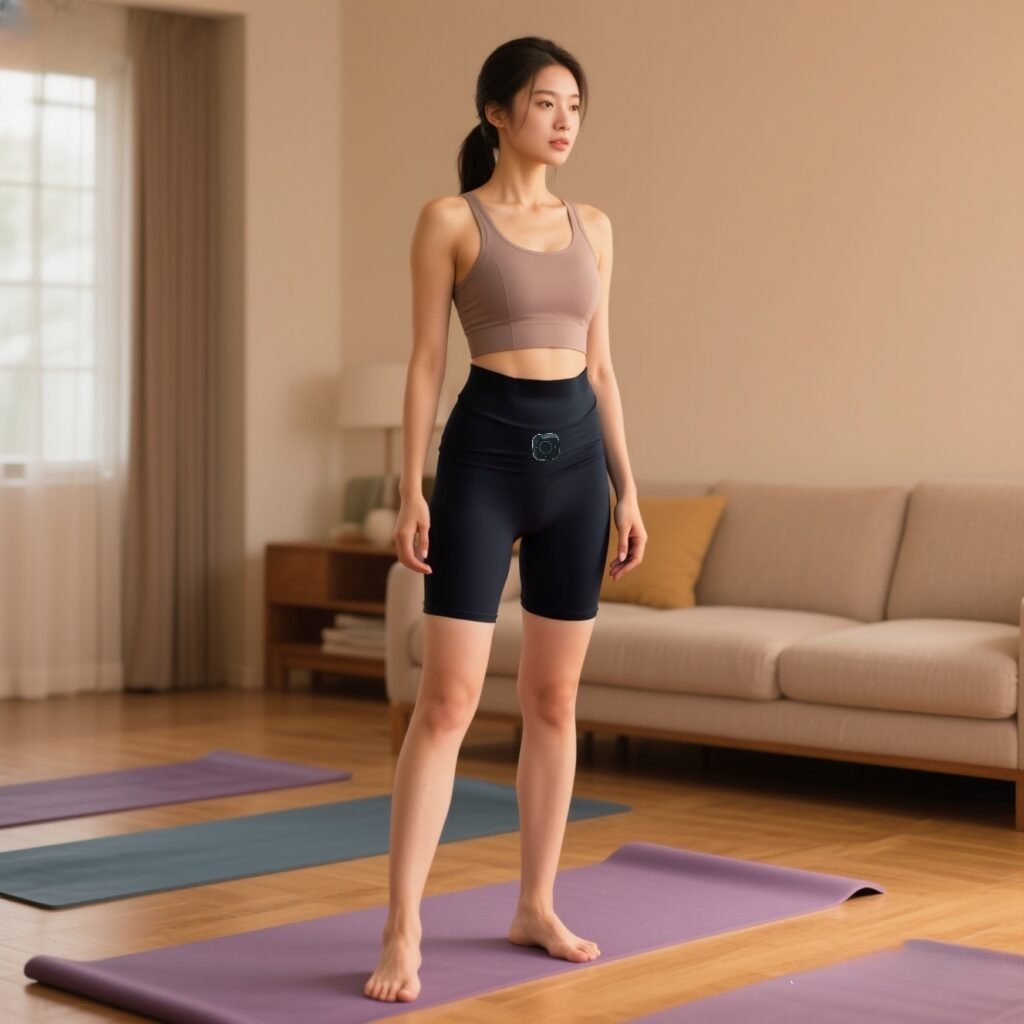
Fit and comfort can make or break your product
- Conductive fabric must be stable and skin-safe
- Poor fit reduces muscle contact and weakens stimulation
- Sizing should suit your target market’s body types
- Washability is a huge user experience factor
Don’t wait until mass production—test the fit, feel, and usability early in the process.
What certifications and compliance should I expect when exporting EMS pants?
This is where most new buyers get tripped up.
Most EMS shorts need CE (Europe), FCC (US), and RoHS (environmental) certifications. Medical-grade approvals are required only if the product claims therapeutic functions. But watch out—having a certificate doesn’t always mean it’s valid or applicable to your product.
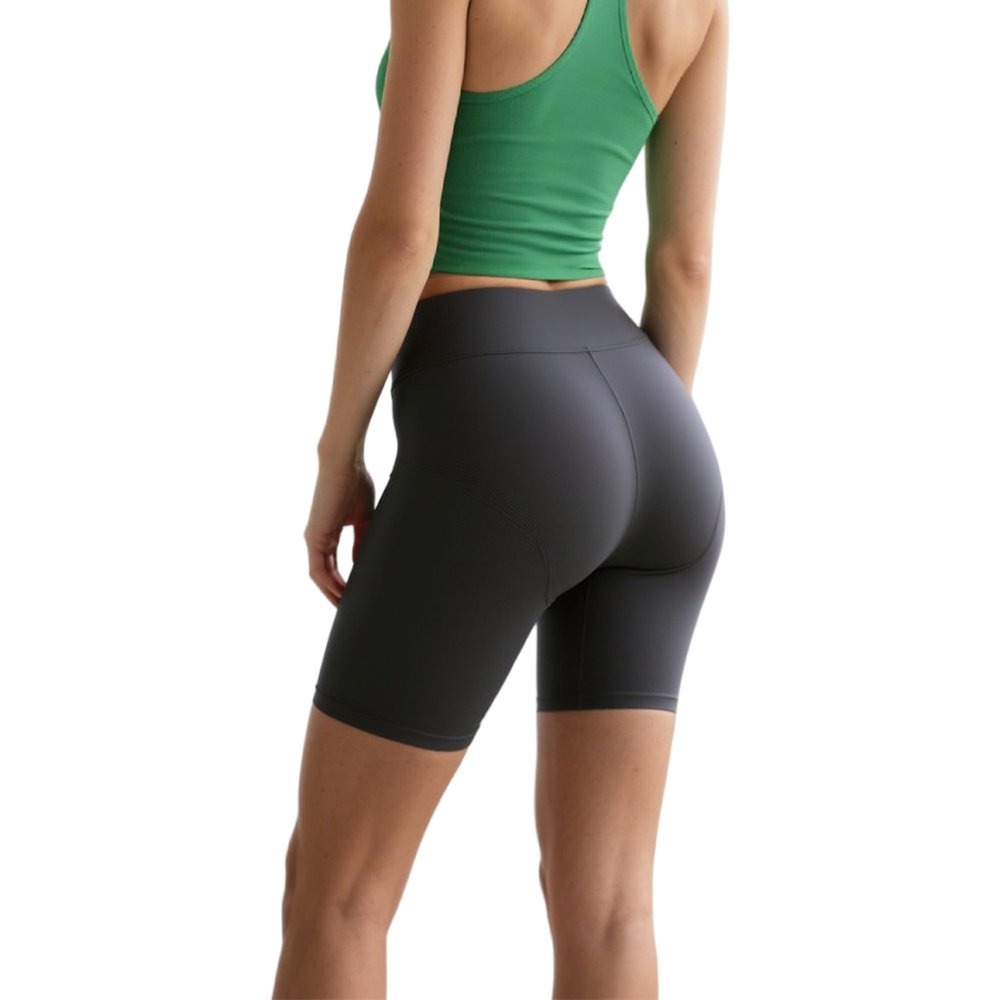
Compliance isn’t just paperwork
- CE: Required for European markets (EMC, electrical safety)
- FCC: For US market (radio/electromagnetic compliance)
- RoHS: Mandatory for environmentally safe materials
- MDR or FDA: Only required for therapy-labeled products
Common pitfalls include mismatched certificates, expired documents, and general reports that don’t apply to your exact model.
What is the realistic MOQ, customization scope, and lead time?
EMS shorts are not simple to customize—especially not for tiny orders.
Small MOQs may be possible for stock items, but for full customization—logo, program, color, app UI—you’ll need realistic lead time and budgets.
Factors affecting delivery and customization
- Typical MOQ: 500–1000 units for basic customization
- Customizable elements: Logo, packaging, software, color
- Tooling & molding: Usually 4–6 weeks
- Software adjustments: 3–4 weeks
- Compliance testing: Adds 2–3 weeks if new certificates are needed
Rushing production leads to poor testing, skipped safety checks, and lower quality. Plan for flexibility instead of urgency.
What after-sales and risk management support should I expect?
EMS Training Shorts aren’t disposable—they require solid after-sales support.
You should determine how to handle software vulnerabilities, hardware issues, updates, and user problems. Establishing a structured quality assurance and support system is crucial for the long-term maintenance of your brand.
Build after-sales into your sourcing strategy
- Common software issues: App crashes, Bluetooth problems, syncing errors
- Common hardware issues: Electrode decay, battery failures, controller malfunctions
- Test protocols: Ask about aging tests and full function inspections
- Support access: Is there remote debugging? Firmware update plans?
A reliable support plan is what separates long-term brands from short-term sellers.
How can I reduce trial-and-error cost in my first EMS shorts project?
Everyone wants to launch a flagship product—but that’s not always the best first move.
Start small, test with real users, avoid stacking features too early, and choose a supplier with integrated R&D and production. This is the safest way to explore a new category.
Start lean, scale later
- Pilot batch: 500–1000 units for user testing
- Feature control: Start with essentials, skip advanced pairing or AI
- Marketing materials: Prepare visuals and user guides early
You don’t need to be perfect at launch—just accurate enough to gather feedback and improve.
Conclusion
EMS Training Shorts are tech-heavy, niche-targeted products. To succeed, new buyers need to understand the product thoroughly—from technical design to compliance and customer use. It’s better to be prepared than to recover from preventable mistakes.