

How Can You Determine Whether the Current Intensity of an EMS Beauty Device Is Safe and Compliant?
When it comes to EMS (Electrical Muscle Stimulation) beauty devices, effectiveness is only half the story — safety is the other half. The wrong current intensity can turn a skincare session into a discomfort or even a hazard. That’s why understanding what makes an EMS device both safe and compliant is critical for anyone in the beauty tech field.
Safe EMS beauty devices operate below 1 mA per electrode and comply with IEC 60601-1 standards. Certifications like CE, FDA, or ISO indicate verified safety, while discomfort, unclear specs, or missing labels suggest non-compliance.
But numbers and standards alone aren’t enough. To truly understand safety, we must explore what defines proper current intensity, how testing works, and what red flags to watch out for before trusting any device with your skin.
What Is Considered a Safe Current Intensity for EMS Beauty Devices?
When I first began sourcing EMS beauty devices, I learned that even a tiny change in current can mean a big difference in user comfort. So, what’s “safe” really mean in this context?
Most EMS beauty devices stay under 1 mA per electrode, ensuring muscle stimulation without pain or irritation. Anything beyond that threshold risks discomfort, burns, or overstimulation.
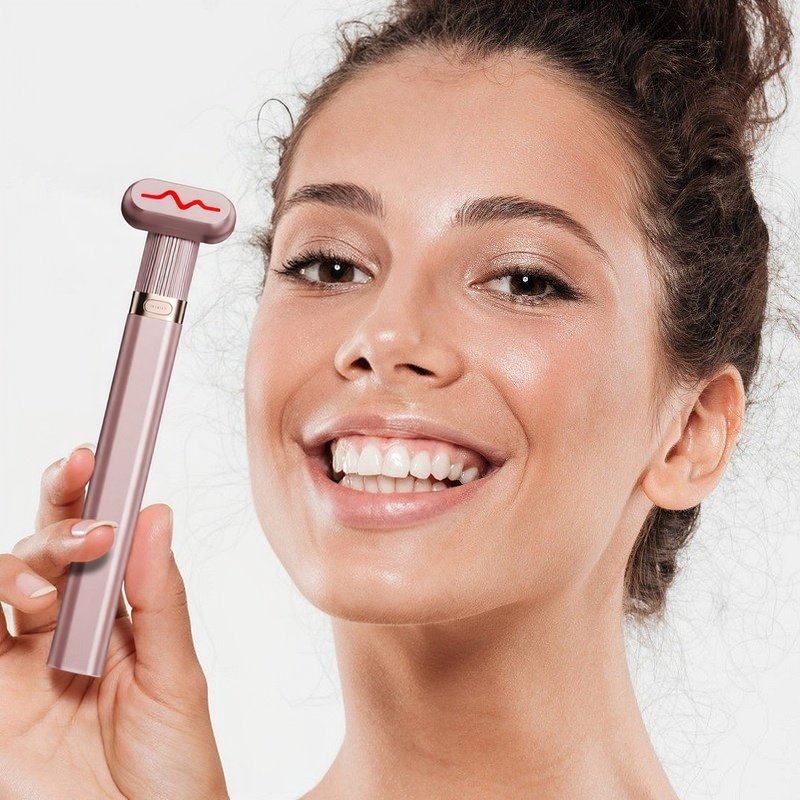
Understanding the Numbers
“Current intensity” refers to the strength of the electrical signal flowing through the electrodes. In skincare applications, EMS devices use microcurrents — gentle enough to activate muscles without causing visible contractions. Below 1 mA, the experience feels like a soft tingle. Beyond that, the energy can overstimulate muscles or stress skin tissue.
| Parameter | Typical Safe Range | Notes |
|---|---|---|
| Current intensity | ≤ 1.0 mA per electrode | Ideal for facial EMS |
| Frequency | 10–200 Hz | Stimulates without strain |
| Voltage | < 50V | Prevents electric shock |
| Pulse duration | 100–400 µs | Ensures comfort |
For B2B buyers like Hidow, these numbers are not just technical specs — they are proof of responsible engineering and safety assurance.
Which Safety Standards Define Compliance for EMS Devices?
Safety standards act as the global language of trust in medical and beauty electronics. Without them, compliance claims are just marketing words.
EMS beauty devices must comply with IEC 60601-1 for electrical safety and ISO 13485 for quality management. CE and FDA marks confirm that the product meets international medical safety regulations.

What Each Certification Means
- IEC 60601-1: The foundation of electrical safety, ensuring insulation, leakage control, and protection from electric shock.
- ISO 13485: Confirms the manufacturer’s production process is consistent and controlled.
- CE Mark (EU): Indicates conformity under the Medical Device Regulation (MDR).
- FDA Clearance (U.S.): Shows the device meets Class II performance and safety requirements.
Manufacturers that meet these certifications demonstrate not only technical capability but also legal compliance — a key factor in sustainable brand reputation and export approval.
How Can Manufacturers and Users Test for Safe Current Levels?
Even with compliance labels, testing is where true safety is proven. As a factory with 5 production lines, we never skip this step.
Engineers test EMS beauty devices using oscilloscopes and current meters to confirm output under various skin conditions. These tests simulate real-world resistance, ensuring stable, safe current delivery.

Inside the Testing Process
Testing involves two main parts — lab simulation and user evaluation:
- Lab Testing: Measures electrical current across dry, oily, and damp surfaces.
- User Trials: Evaluates real sensations — mild tingling is acceptable, sharp pain is not.
- Auto-Regulation Check: Ensures built-in sensors adjust current when skin resistance changes.
- Safety Cutoff Verification: Confirms devices shut down automatically when circuits overload.
By documenting these results, manufacturers provide transparency and proof that the device won’t exceed safe current levels in any condition.
What Are the Signs of Unsafe or Non-Compliant EMS Devices?
Even without lab tools, you can spot a non-compliant device if you know what to look for.
Lack of certification, missing specs, painful sensations, or suspiciously low prices are major red flags indicating unsafe EMS devices.

Red Flags to Watch Out For
- No CE/FDA/ISO marks: A clear sign of missing certification.
- Vague or missing specs: Reliable manufacturers list exact current and frequency.
- Burning or twitching sensation: The current is too strong.
- Too cheap to be true: Likely cutting corners on materials and testing.
Unsafe EMS beauty devices often lack stable current regulation and protective capacitors. This not only risks user comfort but also damages brand credibility in competitive export markets.
Conclusion
Determining whether an EMS beauty device is safe and compliant isn’t just about reading specs — it’s about understanding the science and standards behind them. Devices operating under 1 mA, tested under IEC 60601-1, and certified with CE or FDA marks ensure both performance and peace of mind.
Next time you evaluate an EMS supplier or device, trust verified data over fancy packaging. Safety isn’t optional — it’s the foundation of beauty tech that truly works.