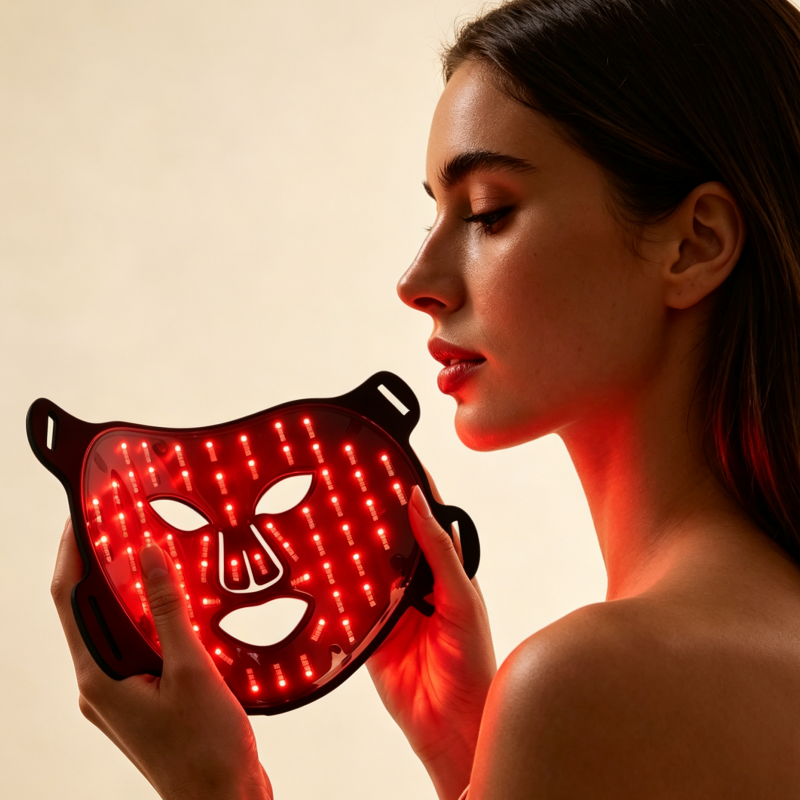
I should choose a red light therapy mask based on wavelength, irradiance, treatment coverage, safety features, comfort, certification, customization, and production capability. The right mask should match my target market, brand positioning, and expected retail price.
What Should I Look for in a Red Light Therapy Mask?
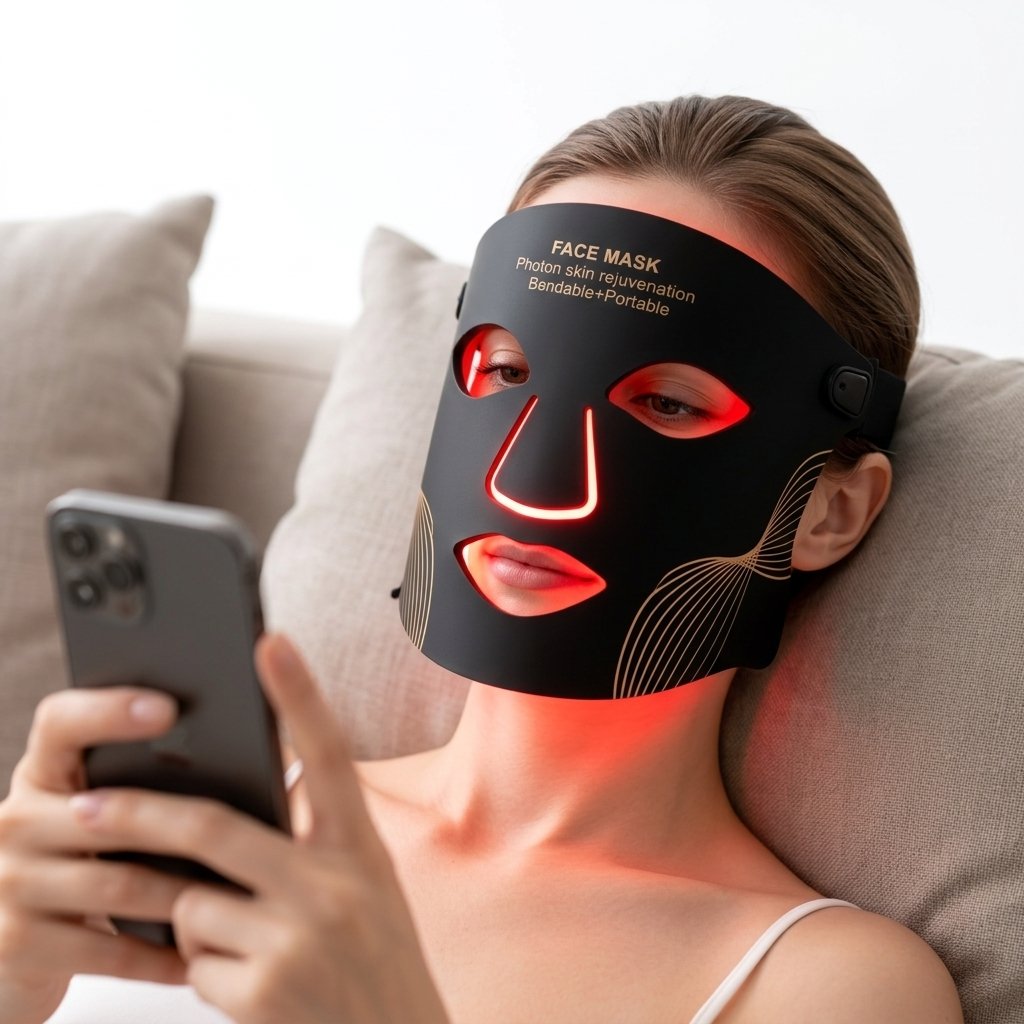
I should first evaluate the mask's technical specifications, including wavelength, irradiance, LED configuration, treatment area, battery system, and control method.
Key Technical Specifications
| Factor | What I Should Check |
|---|---|
| Wavelength | 630–660nm red light and optional 830–850nm NIR |
| Irradiance | Stable and clearly documented output |
| LED layout | Even coverage across the treatment area |
| Treatment area | Full-face coverage |
| Battery | Rechargeable and reliable |
| Control | Simple buttons or remote control |
Why Wavelength Matters
- Red light supports surface-level skincare applications
- Near-infrared light can support deeper tissue applications
- Different wavelength combinations create different product positioning
How Should I Match the Mask to My Skincare Brand?
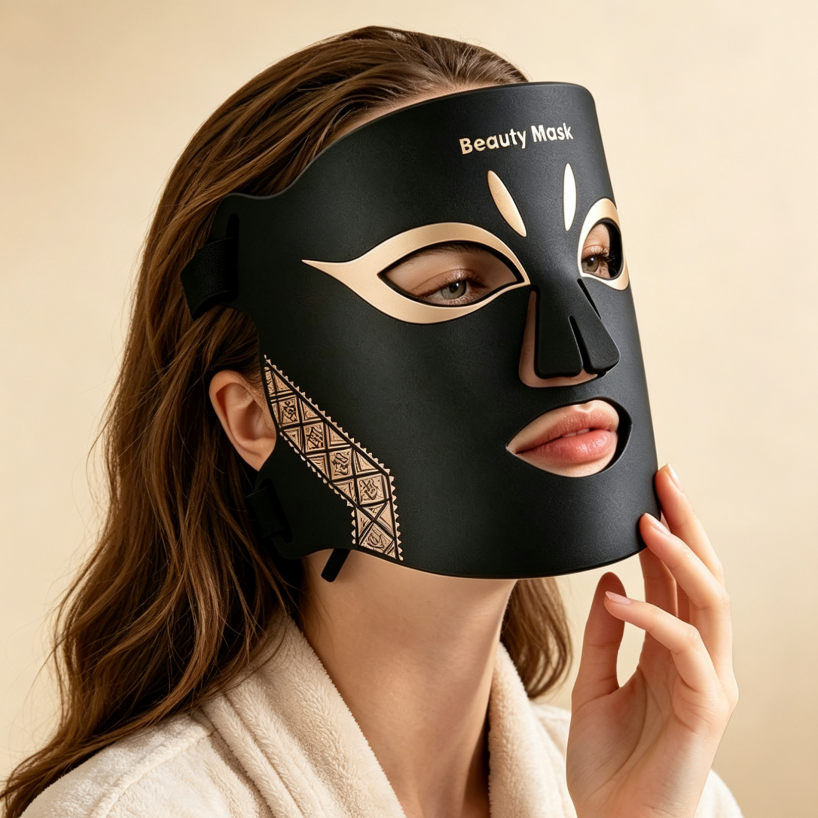
I should select the product based on my brand's target customers, price range, product claims, and visual identity instead of choosing specifications without a clear market strategy.
Brand Positioning
| Brand Position | Product Direction |
|---|---|
| Mass market | Simple and affordable |
| Premium skincare | Better materials and design |
| Beauty technology | Advanced LED configuration |
| Professional wellness | Higher specifications and documentation |
Target Customer
- Daily skincare users
- Beauty-conscious consumers
- Technology-focused customers
- Premium skincare buyers
Which Wavelength Combination Should I Choose?
A red light mask can use red light alone or combine red light with near-infrared light. I should choose the wavelength configuration according to the intended application and market positioning.
Common Configurations
| Configuration | Positioning |
|---|---|
| 630–660nm | Red light skincare |
| 660nm + 850nm | Skincare and wellness |
| Multiple wavelengths | Broader product positioning |
What I Should Avoid
- Unsupported medical claims
- Unclear wavelength specifications
- Inconsistent LED output
- Marketing claims that exceed product testing
How Important Are Comfort and User Experience?
Comfort directly affects repeat usage, so I should evaluate mask weight, facial fit, heat management, eye protection, straps, charging, and control before placing an OEM order.
User Experience Checklist
| Feature | Why It Matters |
|---|---|
| Lightweight structure | Reduces facial pressure |
| Ergonomic shape | Improves fit |
| Eye protection | Improves comfort |
| Heat management | Reduces discomfort |
| Adjustable strap | Fits different users |
| Rechargeable battery | Improves convenience |
What Safety and Certification Should I Check?
I should ask the supplier for product testing, electrical safety documentation, material information, and certifications required by my target market before starting mass production.
Supplier Documentation
- Product test reports
- Electrical safety documentation
- EMC documentation
- Material information
- Battery documentation
- Applicable market certifications
Market Considerations
| Market | Key Focus |
|---|---|
| North America | Electrical and market-specific compliance |
| Europe | CE-related requirements and applicable standards |
| Japan | Local regulatory requirements |
| Korea | Local compliance requirements |
How Can I Evaluate a Red Light Therapy Mask Manufacturer?
I should evaluate the manufacturer based on technical capability, production stability, quality control, customization, sampling speed, and communication instead of focusing only on the factory price.
Manufacturer Checklist
| Factor | What I Should Evaluate |
|---|---|
| Production capacity | Stable monthly output |
| Quality control | Inspection process |
| OEM/ODM | Housing, logo, packaging |
| Sampling | Development speed |
| Lead time | Production reliability |
| Communication | Response efficiency |
| Certification support | Documentation availability |
OEM/ODM Options
- Logo customization
- Product color
- Packaging design
- User manual
- Control interface
- Accessories
- Product structure
How Can I Control Cost Without Sacrificing Product Quality?
I should control cost through product configuration, order volume, packaging, and customization choices rather than simply choosing the lowest-cost manufacturer.
| Cost Area | Possible Strategy |
|---|---|
| LED configuration | Match output to positioning |
| Materials | Balance comfort and cost |
| Packaging | Use scalable packaging |
| Accessories | Include only useful items |
| Customization | Prioritize high-value features |
| MOQ | Negotiate based on forecast |
What Mistakes Should I Avoid When Buying Red Light Therapy Masks?
I should avoid choosing a mask based only on price, relying on unclear technical specifications, ignoring certification, and making product claims that are not supported by evidence or documentation.
Common Mistakes
- Choosing the cheapest supplier
- Ignoring irradiance data
- Focusing only on LED quantity
- Skipping product testing
- Using unclear wavelength information
- Ignoring user comfort
- Making unsupported skincare or medical claims
- Ordering large quantities before testing samples
Conclusion
I should choose a red light therapy mask by balancing technical performance, user comfort, safety, brand positioning, compliance, and manufacturing capability. The right supplier should support both product quality and long-term brand development.