As technology advances, the health industry is undergoing unprecedented changes. Electrical Muscle Stimulation (EMS) and Red Light Therapy (RLT), as innovative therapies, are transforming how people manage their health. In the coming years, the integration of EMS and RLT is expected to become a major trend in health tech, driving market demand and expanding applications.
How EMS and RLT Work: A Perfect Blend of Technology and Biology
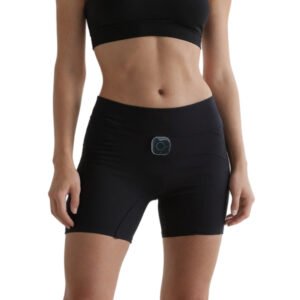
EMS works by sending electrical impulses to muscles, simulating natural neural signals, which cause the muscles to contract and relax. This non-invasive therapy is not only used for fitness and muscle training but also helps in relieving chronic pain, accelerating muscle recovery, and enhancing athletic performance.
RLT, on the other hand, uses specific wavelengths of red light to penetrate the skin, stimulating the mitochondria within cells to promote regeneration, repair damaged tissues, and reduce inflammation. RLT has broad applications in skin care, anti-aging, and wound healing.
Multi-Function Devices Combining EMS and RLT: The Future of Dual-Therapy Solutions
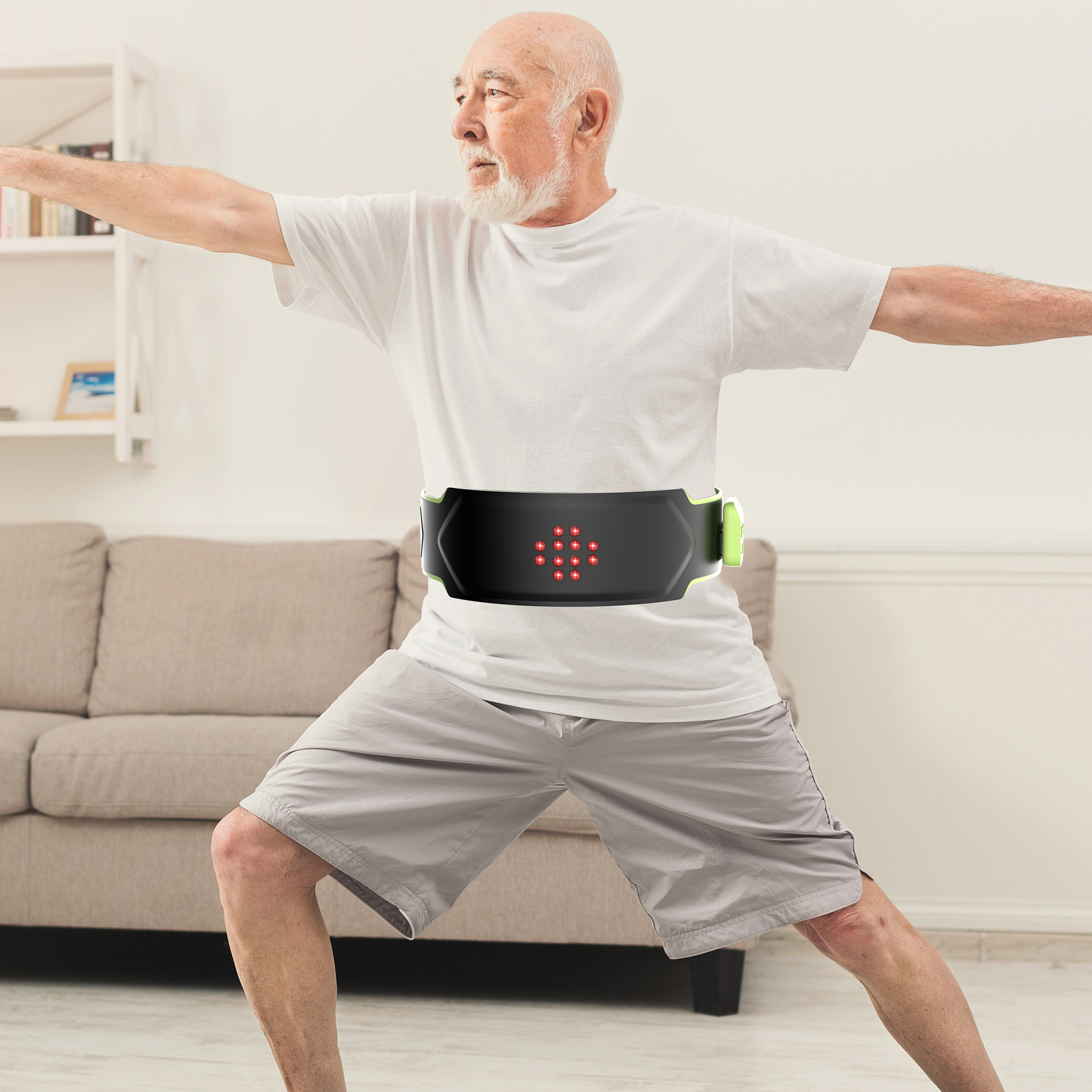
As health needs diversify, combining EMS and RLT will offer more comprehensive therapeutic effects. The synergy between the two can significantly enhance recovery processes. For example, in muscle rehabilitation, EMS stimulates muscle activity, reducing stiffness, while RLT accelerates tissue healing and reduces inflammation. This combination can shorten recovery times and improve treatment outcomes.
In the future, we will likely see more multi-functional devices that integrate EMS and RLT, offering vast potential in home healthcare, and catering to athletes, rehabilitation patients, and individuals with chronic conditions. These devices, characterized by efficiency, convenience, and non-invasiveness, will capture the attention of procurement officers and distributors.
Technological Innovation Driving Market Growth
With rapid technological advancement, the cost of developing EMS and RLT devices is decreasing, while product performance continues to improve. Portable, multi-functional, and intelligent health devices are becoming a trend, as consumers increasingly demand higher standards in health management. Particularly in North American and Asian markets, the demand for products that integrate EMS and RLT is seeing a noticeable rise.
Application Prospects of EMS and RLT Integration
Sports and Fitness:
EMS stimulates muscles while RLT aids tissue repair, helping athletes recover faster and reduce the risk of injury.
Physical Rehabilitation:
EMS supports muscle rehabilitation training, while RLT speeds up wound healing and reduces inflammation, offering comprehensive support for post-surgery patients.
Anti-Aging and Beauty:
RLT’s anti-aging effects, combined with EMS’s muscle-tightening function, will unlock new possibilities in the beauty market.
Pain Management:
For those with chronic pain, the combination of EMS and RLT can provide more effective relief solutions, reducing dependency on medications.
A One-Stop Health Solution Experience
EMS and RLT devices are evolving from single-function health tools to all-encompassing health management solutions. Procurement officers can see the commercial value in these multi-functional devices, as they not only meet diverse consumer needs but also provide distributors with larger market opportunities.
The integration of EMS and RLT signals the future of health technology, bringing non-invasive, convenient, and smart health management to new heights. With further research and technological innovation, the market share for EMS and RLT products will continue to grow, creating a win-win situation for both consumers and businesses.
Conclusion
The future of health technology has arrived. The integration of EMS and RLT not only offers innovative solutions for personal health management but also presents unprecedented business opportunities for companies. As a procurement officer, staying ahead of this trend will give you a competitive edge in the years to come.